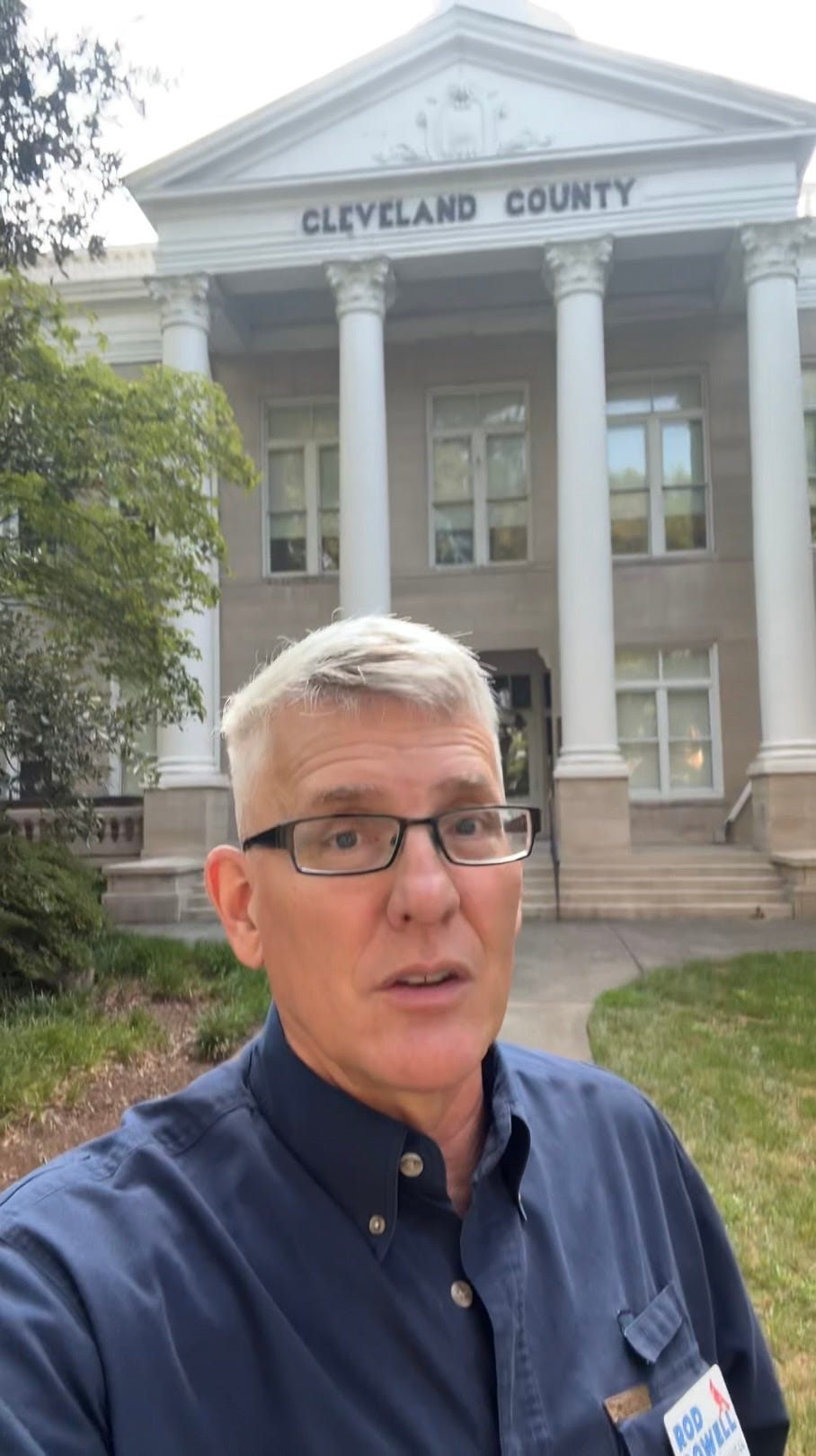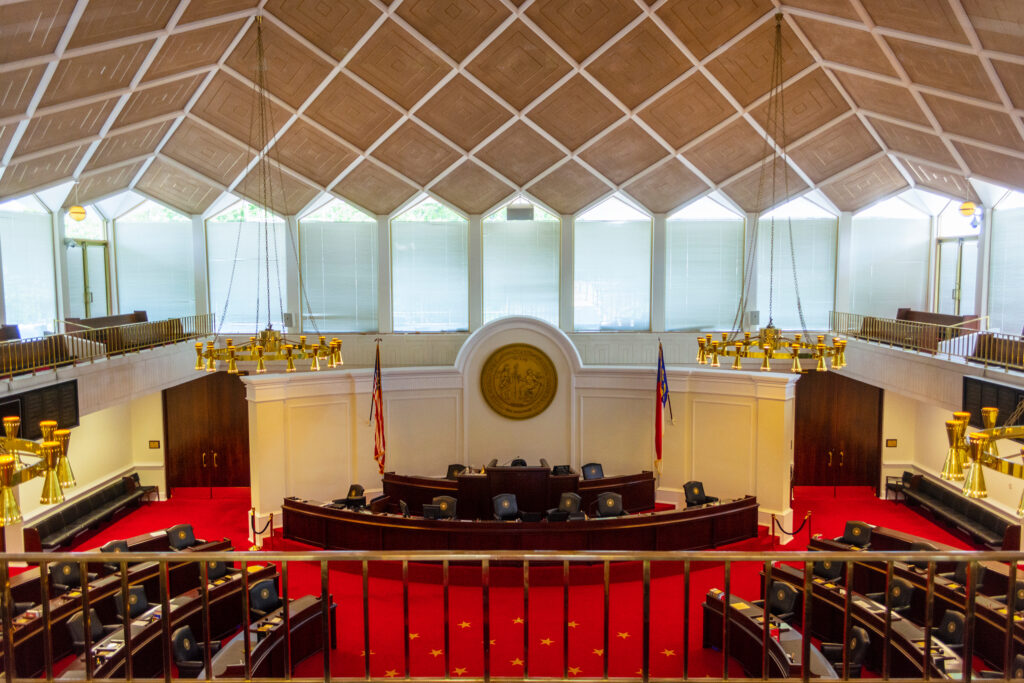
One question I hear almost everywhere I go is, “What’s Raleigh doing now?”
Whether I’m at the farmers market in Shelby, having coffee with friends, or talking with folks after a community meeting, that question comes up again and again. Most people don’t have time to follow the General Assembly every day. That’s understandable.
That’s why I’m starting this weekly column.
Every week, I’ll pull out a few of the biggest things happening in Raleigh, explain them in plain English, talk about what they mean here in Senate District 44, and tell you where I come down. You may agree with me. You may not. Either way, you’ll know a little more about what your state government is doing.
This week I’m looking at election law, hemp regulation, and appointments to state boards.
House Bill 958 — Election Law Changes
What the Bill Does
House Bill 958 makes a number of changes to North Carolina election law. It covers voter registration, absentee ballots, election records, campaign finance reports, poll observers, and several other parts of how elections are run.
The Senate approved a revised version, which means the House must decide whether to accept those changes before the bill can move forward.
Sen. Ted Alexander’s Position
Sen. Ted Alexander voted for the Senate version of House Bill 958.
Supporters say the bill would strengthen election integrity, improve oversight, and make election procedures more consistent across North Carolina.
What It Means Here at Home
This bill affects every voter in Cleveland County, Lincoln County, and the Cherryville area.
It also affects the people working in our county boards of elections. They’re the ones who have to learn the new rules, train poll workers, answer questions from the public, and make sure elections run smoothly.
Every time Raleigh changes election law, those local offices have to make those changes work.
My Thoughts
I’ve always believed elections ought to be secure, fair, and easy for every eligible voter to understand.
Before lawmakers change election law, they ought to explain exactly what problem they’re trying to solve. They also ought to listen to the county election officials who have to carry these laws out.
People gain confidence in elections when the rules are clear, election workers are well trained, and voters understand what’s expected of them.
House Bill 328 — Hemp-Derived Products
What the Bill Does
House Bill 328 began as a bill to regulate hemp products and keep intoxicating products away from minors.
As it moved through the legislature, it became much broader. The Senate version would place strict limits on THC levels in hemp-derived products, a change many businesses say would effectively remove most intoxicating hemp products from the legal market.
Sen. Ted Alexander’s Position
Sen. Ted Alexander supported the Senate conference report and helped negotiate the final Senate version.
Supporters say the bill protects children and gives North Carolina stronger oversight of hemp-derived products.
What It Means Here at Home
This isn’t just about vape shops.
These products are sold in convenience stores, specialty retailers, and other small businesses across our district. Some adults also use them instead of alcohol or to help with pain, anxiety, or sleep.
The debate is whether stronger safeguards require a near-total ban or whether regulation can protect the public without putting responsible businesses out of business.
My Thoughts
Children shouldn’t have easy access to intoxicating products. That shouldn’t even be controversial.
I also think adults deserve honest labels, tested products, and clear rules.
I’d rather see tough regulation than drive another legal market underground, where there’s even less oversight and fewer protections for consumers.
Senate Bill 1092 — State Board Appointments
What the Bill Does
Senate Bill 1092 makes appointments to dozens of state boards and commissions.
Most people never hear about these appointments, but these boards help oversee transportation, education, agriculture, health care, licensing, water systems, and many other parts of state government.
Sen. Ted Alexander’s Position
Sen. Ted Alexander voted for the appointments bill.
What It Means Here at Home
The decisions made by these boards eventually reach every county in North Carolina.
They help decide how grants are awarded, how licenses are issued, how transportation projects are ranked, and how many state programs operate.
That’s why these appointments matter.
Our rural communities deserve people at those tables who understand farming, public schools, local government, health care, and the challenges facing small towns.
My Thoughts
Appointments shouldn’t be political rewards.
The people serving on these boards ought to know the subject, attend the meetings, follow ethics rules, and remember that they’re there to serve the public.
I’d also like to see more transparency. The public ought to be able to easily find out who was appointed, why they were chosen, and what experience they bring.
Good government depends not only on the laws we pass but also on the people we trust to carry them out.
Looking Ahead
The General Assembly will continue taking up legislation in the weeks ahead, and I’ll be watching closely.
I’ll be paying particular attention to public education, health care, economic development, election law, and any proposal that has a direct impact on Cleveland County, Lincoln County, and the Cherryville area.
Raleigh writes the laws.
We live with the results.
That’s why I’ll keep bringing what’s happening in Raleigh back home in plain English.
I’m Rod Powell, a retired public school history teacher and the Democratic candidate for North Carolina Senate District 44.
Questions about a bill? Send them my way. If there’s legislation you’d like me to explain, I’ll do my best to cover it in a future edition of From Raleigh to Home.